Recycling and Sustainability for Landscapers Earls Court
 At Landscapers Earls Court, sustainability is built into every stage of our service, from green waste sorting to the final handover of reusable materials. We support an eco-friendly waste disposal area strategy that prioritises recovery, re-use, and responsible routing over landfill wherever possible. For gardens, communal courtyards, and landscaped commercial spaces, that means separating organic matter, hard landscaping offcuts, and recyclable packaging so the right material reaches the right facility. Our aim is to keep the local environment cleaner while helping clients meet modern sustainability goals with landscaper Earls Court waste handling that is practical, efficient, and environmentally aware.
We set a clear recycling percentage target of 90% for suitable non-hazardous materials collected through our jobs, and we continually review how close each project comes to that benchmark. By improving sorting at source and reducing contamination, we increase the amount of material that can be recycled, composted, or reused. This approach supports a sustainable rubbish area for mixed garden and site waste, while also reducing the carbon impact associated with unnecessary transport and disposal. As part of our wider sustainability work, we look carefully at every tonne of waste to make sure it is handled in the most resource-efficient way possible.
In practice, this means paying close attention to the kinds of waste common across Landscapers in Earls Court projects, such as soil, turf, leaves, branches, broken pots, plastic plant trays, timber, and stone debris. We separate recyclable streams wherever feasible, and we also recognise local borough approaches to waste separation that encourage cleaner material streams for processing. Even in compact urban settings, small changes in segregation can make a measurable difference to recovery rates. By aligning our process with borough-led recycling expectations, we help ensure that garden and landscaping waste is not simply removed, but properly circulated back into the resource system.
 We work with several local transfer stations that are equipped to manage sorted garden and landscaping waste efficiently. These facilities help divert suitable loads toward composting, aggregate recovery, and broader recycling routes rather than disposal. When our teams load material for transfer, they keep recyclable items separate from general rubbish so that transfer station staff can process it with greater accuracy. This is especially useful for mixed loads from refurbishment, maintenance, and seasonal clearance work, where one collection may contain green waste, inert material, and recoverable packaging. Our Landscapers Earls Court waste strategy depends on choosing the right route for each material type, and transfer stations are an important part of that chain.
We also work in partnership with charities that can accept suitable reusable items from landscaping and garden clearances. Where items are safe, clean, and appropriate for donation, we seek charitable routes for things like planters, garden furniture, decorative features, and serviceable tools. These partnerships extend the life of materials and support local causes at the same time. For a landscapers Earls Court service, re-use is just as important as recycling because it keeps valuable items in circulation longer. Charitable donation is one of the clearest examples of sustainable rubbish handling, as it reduces waste volumes while contributing to community benefit.
Low-carbon vans are another key part of our sustainability model. Our fleet is selected to reduce emissions through improved fuel efficiency, newer engine technology, and lower-impact route planning. We aim to consolidate collections so fewer journeys are needed, and we plan work across Earls Court and nearby areas to minimise unnecessary mileage. For an urban landscaping business, this can make a significant difference, particularly when waste runs, material deliveries, and site visits are all part of the same schedule. Using lower-emission vehicles helps reduce the overall carbon footprint of our Landscapers in Earls Court operations while supporting cleaner air in the local area.
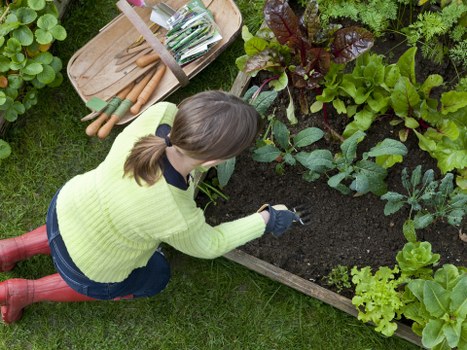 Our recycling process also reflects the way local boroughs encourage clearer separation of waste streams. In many parts of west and central London, residents and businesses are increasingly expected to sort green waste, mixed recyclables, and residual rubbish more carefully. We apply that same thinking to landscaping work, especially when handling organic material that can be composted, timber that may be recycled, and inert debris that requires specialist treatment. By mirroring borough-level separation habits, Landscapers Earls Court can keep contamination low and improve the quality of recovered material.
For larger clearances, we coordinate the handling of soil, leaves, branches, and other green waste so that the majority can be directed toward composting or nutrient recovery. Where possible, woody material is chipped for reuse, while suitable organic matter is sent into recovery routes that reduce pressure on landfill. This is an important part of our eco-friendly waste disposal area approach because it turns what could be discarded waste into a useful resource. In sustainable landscaping, the goal is not only removal, but thoughtful re-entry into productive cycles.
We also support careful separation of hard landscaping waste, including bricks, paving fragments, concrete, and stones. These materials often have strong recycling potential through aggregate recovery or construction reuse channels when they are kept clean and uncontaminated. Our teams sort these streams with the same attention given to lighter recyclables and organic matter. This level of care helps the sustainable rubbish area function more effectively, because each material has a clearer route to the right facility. The result is a process that is both environmentally responsible and well suited to the practical demands of local landscaping work.
Our commitment to sustainability is ongoing, and we review each part of the service to see where improvements can be made. That includes refining the recycling percentage target, identifying better transfer station partnerships, and exploring additional reuse channels with charities. We also continue to assess how route planning and vehicle choice can further reduce carbon output across the business. For clients seeking Landscapers Earls Court support, this means working with a team that treats waste not as an afterthought, but as a central part of responsible landscape management.
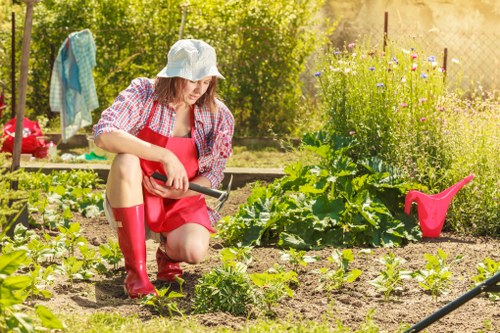 Another important part of our sustainability work is helping materials stay useful for as long as possible. Soil that can be screened may be reused, timber that remains in good condition may be diverted for donation, and green waste may be processed into composting streams that support future planting. This practical, circular approach is especially valuable in a dense urban setting such as Earls Court, where every ton diverted from disposal helps ease pressure on local infrastructure. It also reinforces the wider goals of Landscapers in Earls Court, where responsible waste handling and environmental care go hand in hand.
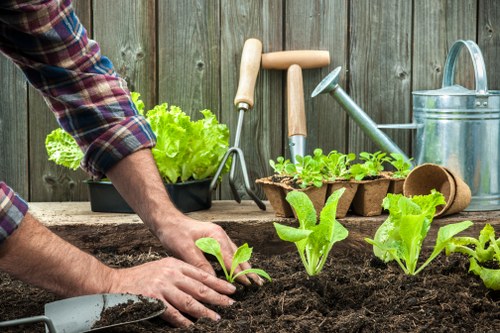 Whether we are clearing a small courtyard, maintaining a communal garden, or managing waste from a larger planting project, our focus remains the same: reduce landfill, recover as much material as possible, and keep operations low-carbon. Through strong sorting habits, partnerships with local charities, efficient transfer station use, and low-carbon vans, Landscapers Earls Court offers an environmentally conscious service that suits modern expectations. If you want sustainable rubbish handling and a more eco-friendly waste disposal area approach for landscaping work, our process is designed to support cleaner outcomes across every stage.

